You’re likely reading this on a device held just inches from your face. For most of us, the smartphone is the last thing we touch before sleep and the first thing we reach for upon waking. But as we move into 2026, the conversation around these devices has shifted from "How fast is the processor?" to "What is this doing to my biology?" With the rollout of ultra-dense 5G networks and the early whispers of 6G, the Department of Health and Human Services (HHS) has launched a renewed wave of research into the long-term effects of Radiofrequency Electromagnetic Fields (RF-EMF).
While the tech industry has long leaned on safety standards established in 1996, modern bioengineering research suggests we might be overlooking subtle, non-thermal interactions at the cellular level. Does smartphone radiation actually damage your cells? The answer isn't a simple "yes" or "no," but rather a complex "it depends on the mechanism." Current research indicates that RF-EMF may disrupt voltage-gated calcium channels, potentially triggering oxidative stress and DNA damage, even if the device never feels "hot" against your skin.
The 2026 Smartphone Radiation Debate: Why It’s Back in the Headlines
For decades, the consensus was clear: smartphone radiation is "non-ionizing," meaning it lacks the energy to break chemical bonds or strip electrons from atoms (unlike X-rays or UV light). However, the landscape changed significantly in early 2026. The shift in U.S. health policy, spearheaded by the HHS and the newly influential MAHA (Make America Healthy Again) Commission, has brought 30-year-old safety standards under intense scrutiny.
The Federal Communications Commission (FCC) still relies on Specific Absorption Rate (SAR) limits set in the mid-90s—a time when the "average user" was a large male holding a bulky handset for a few minutes a day. Today, we are perpetually connected. The 2026 research initiatives are moving away from the "thermal-only" model—which assumes radiation is only harmful if it heats tissue—and toward the "Precautionary Principle." This principle suggests that in the face of scientific uncertainty, we should minimize exposure until safety is definitively proven.
The Cellular Mechanism: How RF-EMF Interacts with Human Biology
To understand how a phone might affect your cells, we have to look past the heat. The most prominent theory in modern bio-electromagnetics is the Voltage-Gated Calcium Channel (VGCC) Theory. Your cells are surrounded by membranes with "gates" that control the flow of calcium ions, which are essential for everything from neurotransmitter release to gene expression.
Research suggests that the oscillating electric fields from smartphones can force these gates open. When too much calcium floods the cell, it triggers a cascade of reactive oxygen species (ROS), leading to oxidative stress. This stress is a known precursor to cellular aging and potential DNA fragmentation. Recent bioengineering research indicates that high-frequency cellular waves can increase localized brain tissue temperature and, perhaps more tellingly, elevate cortisol levels—the body's primary stress hormone—by nearly 12% during prolonged exposure sessions.
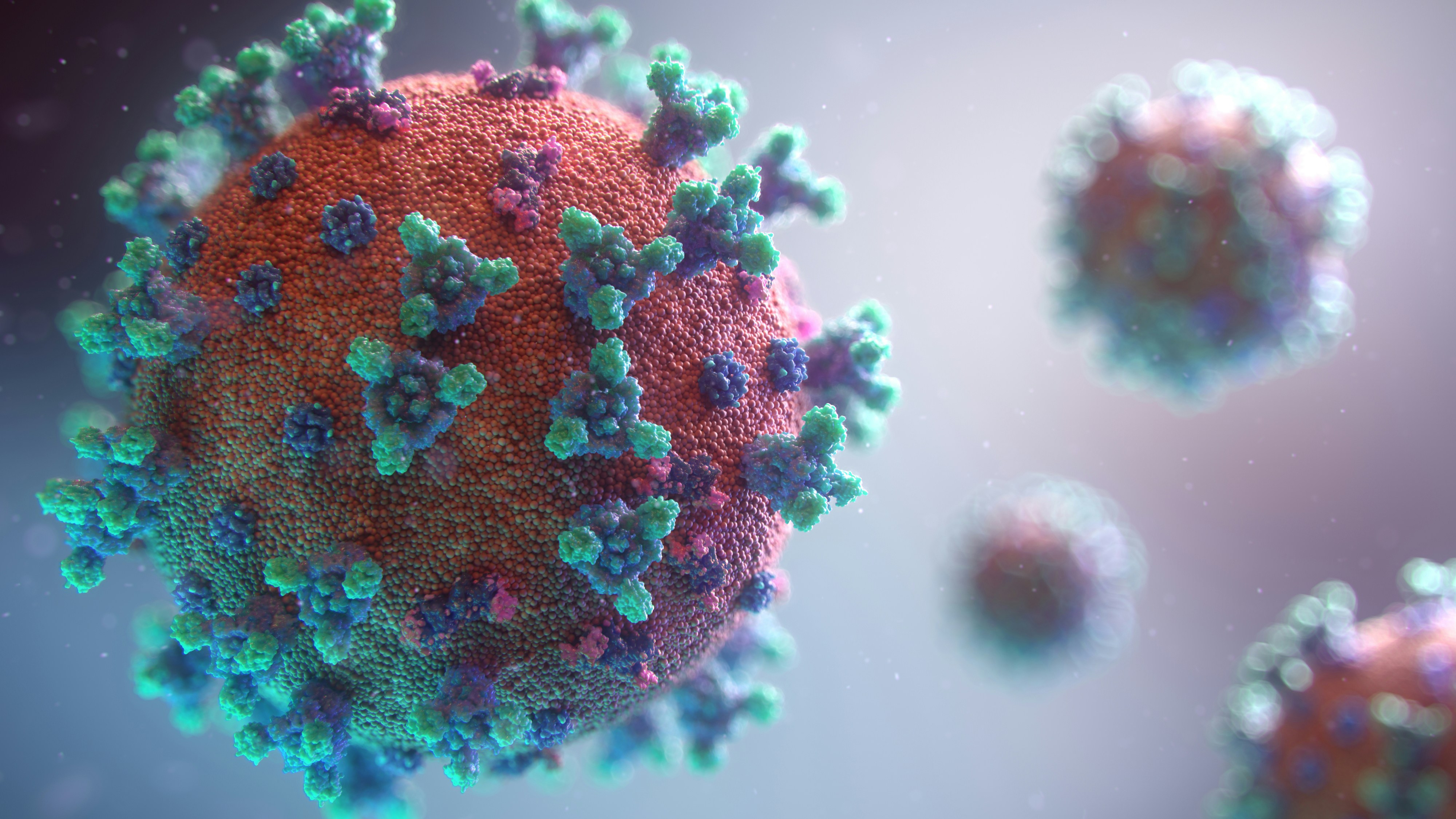
Scientific Term: RF-EMF Radiofrequency Electromagnetic Fields (RF-EMF) are a form of non-ionizing radiation used by mobile devices to transmit data. Unlike ionizing radiation (like X-rays), RF-EMF doesn't have enough energy to remove electrons from atoms, but it can induce electric currents and biological changes in living tissue through non-thermal pathways.
Ionizing vs. Non-Ionizing Radiation: The 2026 Perspective
| Feature | Ionizing Radiation (X-Rays, UV) | Non-Ionizing Radiation (RF-EMF, 5G) |
|---|---|---|
| Energy Level | High | Low |
| Direct DNA Damage | Yes (breaks chemical bonds) | No (potential indirect damage via ROS) |
| Thermal Effect | Variable | Primarily thermal (per current standards) |
| 2026 Research Focus | Cancer prevention | Cellular signaling & oxidative stress |
| Common Sources | Medical imaging, Sunlight | Smartphones, Wi-Fi, Cell towers |
Key Research Milestones: From Lab Rats to Human Impact
The most significant data point in this debate remains the National Toxicology Program (NTP) study. In this multi-year federal project, researchers exposed rats to high levels of RF-EMF. The results were startling: a significant increase in rare heart tumors called schwannomas in male rats, along with evidence of DNA damage in the brain.
While critics argue that humans aren't giant rats and we don't live in controlled exposure chambers, the biological parallels are hard to ignore. The International Agency for Research on Cancer (IARC) currently classifies RF-EMF as "Possibly Carcinogenic to Humans" (Group 2B). As of 2026, there is growing pressure to upgrade this classification based on more recent longitudinal studies showing higher incidences of certain brain tumors among heavy, long-term mobile users.

5G, 6G, and Millimeter Waves: The New Exposure Frontier
The transition to 5G, and the burgeoning development of 6G, has introduced "millimeter waves" (mmWave). These are much higher frequencies than the 4G LTE signals we used a decade ago. While these waves don't penetrate as deeply into the body as lower frequencies, they are absorbed almost entirely by the skin and the surface layers of the eyes.
Preliminary findings on 5G millimeter wave frequencies indicate they may alter cell membrane permeability and disrupt cellular homeostasis. This is particularly relevant in 2026, as high-density network clusters mean we are rarely more than 100 feet from a small-cell transmitter. We are essentially living in a high-frequency "mesh" that our biology never evolved to navigate.
Vulnerable Groups: Children and the Developing Brain
As an editor who focuses on wearables and family tech, this is the area that concerns me most. Children are not small adults; their skulls are thinner, and their nervous systems are still developing. Research consistently shows that a child’s brain absorbs up to two times more RF energy than an adult’s brain during a phone call.
The accumulation of exposure is also a factor. A child born in 2026 will experience a lifetime of wireless connectivity that is orders of magnitude higher than that of their parents. This has led to new policy recommendations in several European countries, suggesting that tablets and Wi-Fi be limited in nurseries and primary schools—a trend we are starting to see gain traction in the U.S.
Practical Safety Guide: How to Reduce Exposure Without Giving Up Your Tech
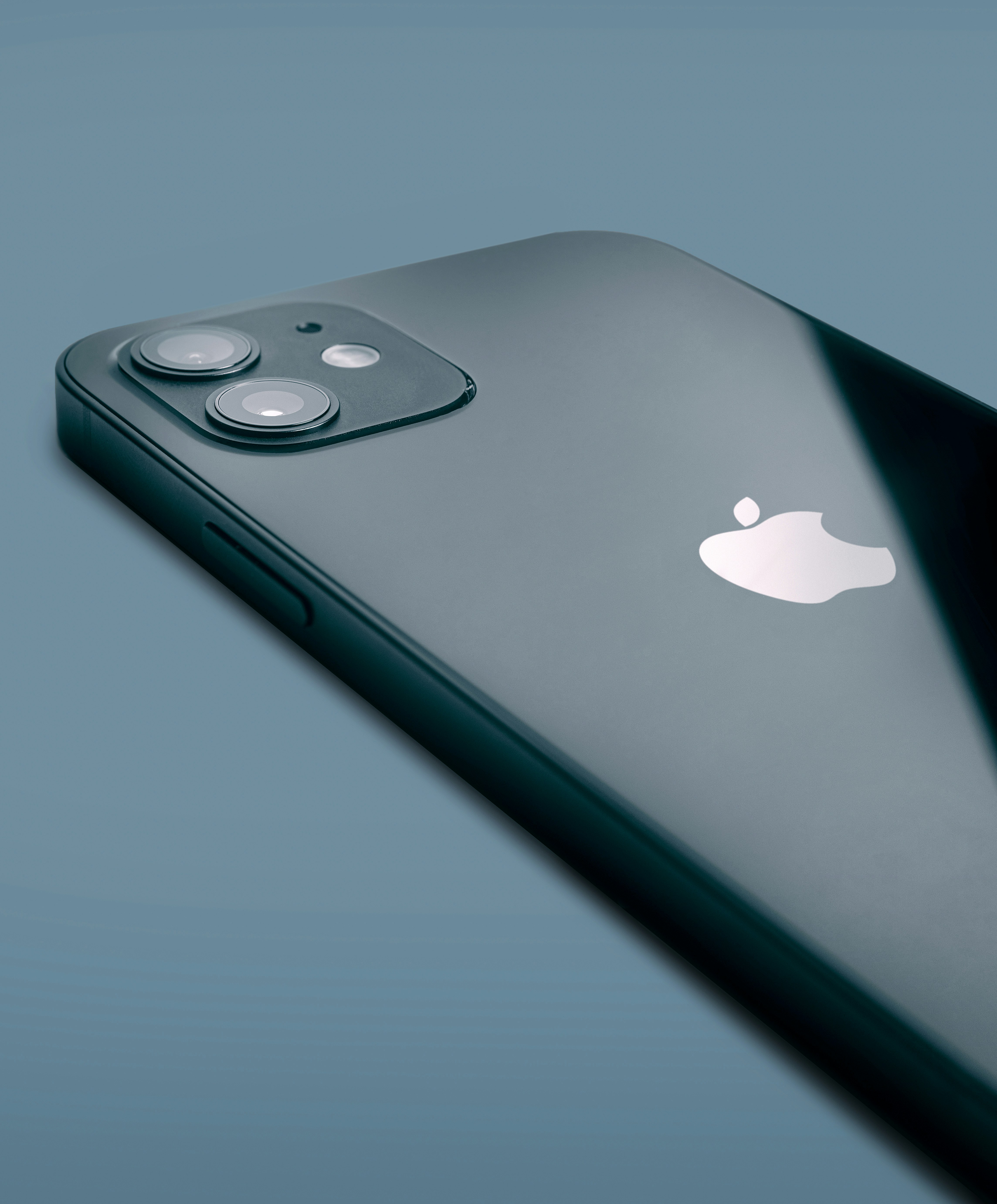
I’m not suggesting you throw your iPhone 17 into the river. Technology is essential. However, adopting a "Low-EMF" lifestyle is surprisingly easy and doesn't require you to live in a Faraday cage. It’s about distance and timing.
Sarah’s Top Safety Strategies
- The Inverse Square Law is Your Friend: RF energy drops off exponentially with distance. Keeping your phone just 10 inches away from your body reduces your exposure by roughly 90%.
- Use Wired Headsets: While Bluetooth is lower power than cellular signals, it still emits RF. For long calls, a simple wired headset or speakerphone is the gold standard for safety.
- Monitor Your Signal Strength: When your phone has "one bar," it works harder to find a tower, dramatically increasing its radiation output. Avoid making calls in elevators, basements, or rural areas with poor reception.
- Airplane Mode While Sleeping: If you use your phone as an alarm, keep it at least six feet from your head or, better yet, switch it to Airplane Mode. This cuts off all cellular and Wi-Fi transmissions instantly.
- Skip the "Radiation Shields": Most stick-on shields or "EMF-blocking" cases are counterproductive. They often interfere with the phone’s internal antenna, causing the device to boost its power to maintain a signal, actually increasing your exposure.

Editor’s Note: The HHS and the MAHA Commission are currently in the middle of a massive three-year longitudinal study on 5G and 6G health impacts. The findings presented here reflect the interim data available as of mid-2026. We will continue to update our guides as more peer-reviewed results are published.
FAQ
Does 5G cause more cellular damage than 4G? While 5G uses higher frequencies (millimeter waves), they don't penetrate as deep into the body as 4G. However, because 5G requires more base stations (small cells), your duration of exposure in urban environments may be higher. Research into the non-thermal effects on skin and eyes is ongoing.
Are Bluetooth earbuds like AirPods safe? Bluetooth devices use Class 2 or Class 3 radio signals, which are significantly lower power than cellular signals. However, since they are placed directly inside the ear canal, some researchers advise caution for long-term, all-day use.
Should I stop using my smartphone entirely? No. The goal is "Harm Reduction," not total avoidance. By using speakerphone, keeping the device off your body, and practicing good sleep hygiene, you can significantly lower your biological load while still enjoying the benefits of modern technology.
Conclusion
The science of smartphone radiation is no longer just about whether your phone can cook an egg (it can't). It’s about the subtle, chronic influence of electromagnetic fields on our cellular "gatekeepers." As we navigate the high-frequency world of 2026, the most sophisticated tool you have isn't the latest flagship device—it’s your awareness. By making small shifts in how you carry and use your tech, you can protect your cellular health without losing your digital edge.