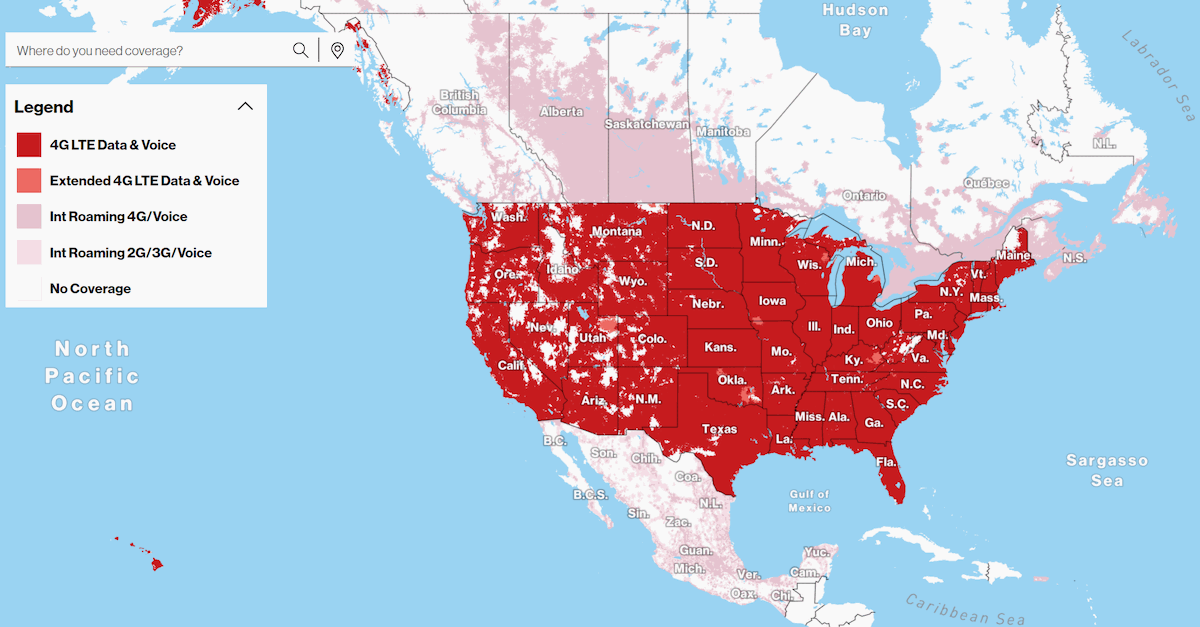
In the landscape of American telecommunications, Verizon has long held the gold standard for coverage, reaching 99% of the population with its 4G LTE and 5G infrastructure. However, for most consumers, that reliability comes at a steep "network tax," with flagship unlimited plans often starting at $65 per month before taxes and fees. As we move into 2026, the financial delta between staying direct with a major carrier and switching to a Mobile Virtual Network Operator (MVNO) has never been more pronounced. Our latest market analysis reveals that users can reduce their annual mobile expenses by up to 84% by switching to a Verizon-based MVNO—saving approximately $660 per line per year without surrendering the bars on their signal indicator.
The market has evolved. While early MVNOs were often seen as "budget" alternatives with subpar service, the modern Verizon-based carrier offers access to 5G Ultra Wideband and multi-line discounts that rival the primary carrier. For the price of a single line at Verizon, a family of four can often be fully covered on the same towers through a secondary provider.
Comparison Table: Best Verizon MVNOs at a Glance
| Carrier | Best For | Starting Price | Top Data Tier | Priority Data |
|---|---|---|---|---|
| Visible | Best Overall Value | $25/mo | Unlimited | 50GB (Visible+) |
| US Mobile | Best Flexibility | $10/mo | Unlimited Premium | 100GB |
| Red Pocket | Lowest Entry Price | $10/mo | 30GB (Annual) | No |
| Total Wireless | Reliability & Perks | $40/mo | Unlimited | Yes (on 5G UW) |
| Straight Talk | Retail Support | $35/mo | Unlimited | Yes |
| TracFone | Seniors/Low Use | $15/mo | 1GB - 10GB | No |
| Spectrum Mobile | Existing Cable Users | $20/mo | Unlimited Plus | 30GB |
| Twigby | Customer Service | $15/mo | 20GB | No |
Why Switch to a Verizon MVNO in 2026?
To understand the value proposition, one must understand the relationship between a Mobile Network Operator (MNO) like Verizon and an MVNO. Think of Verizon as a massive wholesaler of digital real estate. They own the towers, but they often have excess capacity. They sell this "bulk airtime" to MVNOs at a discount. The MVNOs, in turn, pass those savings to you by eliminating the overhead of thousands of retail stores and multi-billion dollar marketing campaigns.
In 2026, the primary concern for switchers—data speed—has largely been addressed. Most premium MVNO plans now include access to Verizon's 5G Ultra Wideband (C-Band and mmWave), which provides fiber-like speeds on your handset. While "deprioritization" (the slowing of speeds during heavy network congestion) still exists, the sheer capacity of the 2026 network means most users will never notice a difference in daily browsing or streaming.
1. Visible: Best Overall Unlimited Data
Visible remains the undisputed champion for heavy data users who want a "set it and forget it" experience. Owned directly by Verizon, Visible offers a simplified two-tier structure that removes the complexity of data caps and overage charges.
Visible Specifications
- Monthly Cost: $25 (Basic) or $45 (Visible+)
- Data Limit: Truly Unlimited
- Hotspot Support: Unlimited (5-10 Mbps speeds)
- Network Priority: Priority data included on Visible+ tier
The value proposition here is staggering. While a standard Verizon unlimited plan starts at $65, Visible’s $25 plan is roughly 61% cheaper. For those requiring the highest possible speeds, the Visible+ plan ($45) grants access to 50GB of "Priority Data"—meaning your connection won't be slowed down during a crowded football game or at a busy airport.
Pros:
- Taxes and fees are included in the sticker price.
- Truly unlimited hotspot usage, a rarity in the MVNO world.
- Frequent "Bring Your Own Phone" (BYOP) promotions often drop the price to $19/month for the first two years.
Cons:
- Support is entirely online/chat-based.
- The basic plan can be subject to deprioritization in dense urban areas.
2. US Mobile: Best for Customization & Flexibility
US Mobile has surged in popularity due to its "Warp" network (their branding for Verizon towers) and its industry-leading "Teleport" feature, which allows users to switch between networks via a web dashboard if they move to an area where another carrier has better coverage.
US Mobile Specifications
- Monthly Cost: $10 to $50
- Data Limit: 2GB to 100GB
- Hotspot Support: Included on most plans
- Network Priority: Priority data on 5G devices
We recommend US Mobile for the "informed consumer"—the person who knows exactly how many gigabytes they use. Their "Light" plan starts at just $10/month for 2GB, making it the perfect choice for users who are almost always on Wi-Fi. For families, their "Unlimited Premium" plan includes international roaming and a subscription perk (like Disney+ or Spotify) when you have three or more lines.
Pros:
- Exceptional customer service (often cited as the best in the industry).
- Highly polished mobile app for managing data usage.
- Priority data for all users with a 5G-capable device.
Cons:
- The plan structure can be slightly confusing for newcomers.
- Some features (like international data) require the higher-tier plans.
3. Red Pocket Mobile: Best for Low-Cost Starter Plans
If your primary goal is the absolute lowest monthly bill possible, Red Pocket Mobile’s annual plans are the gold standard. By paying for a year of service upfront, you can lock in rates that are mathematically impossible on a month-to-month basis.
Red Pocket Specifications
- Monthly Cost: ~$10 (when paid annually)
- Data Limit: 3GB to 30GB
- Hotspot Support: Included
- Network Priority: No
Red Pocket is unique because it offers service on all "Big Three" networks, but their "CDMA" (Verizon) coverage is their most popular. Their 3GB annual plan costs $120 ($10/month), which is an 84% reduction compared to Verizon's entry-level postpaid service.
Pros:
- Incredible value for low-to-medium data users.
- Includes free international calling to over 80 countries.
- Very stable pricing with no hidden fees on annual plans.
Cons:
- Requires an upfront payment for the full year to get the best deal.
- Not ideal for high-speed 5G gaming due to potential deprioritization.
4. Total Wireless: Best for Verizon-Owned Reliability
Formerly known as Total Wireless and recently rebranded back from "Total by Verizon," this carrier is a premium MVNO owned by the parent company. It serves as the bridge between the "budget" feel of TracFone and the "flagship" feel of Verizon proper.
Total Wireless Specifications
- Monthly Cost: $40 to $60
- Data Limit: Unlimited
- Hotspot Support: 10GB to 20GB
- Network Priority: Yes (on 5G Ultra Wideband)
What sets Total Wireless apart is the inclusion of "premium" features typically reserved for expensive plans, such as Disney+ bundles and a $200 device credit after 12 months of consecutive service. It is one of the few MVNOs that feels like a full-service carrier.
Pros:
- Access to Verizon’s fastest 5G Ultra Wideband speeds.
- Retail presence in many major shopping centers.
- Strong multi-line discounts.
Cons:
- More expensive than Visible or US Mobile.
- High-tier features are locked behind the $50+ plans.
5. Straight Talk: Best for Walmart Shoppers
Straight Talk is a staple of the American MVNO market, largely due to its exclusive partnership with Walmart. It is the best choice for consumers who want the savings of a prepaid plan but still want to be able to walk into a physical store and talk to a human being.
Straight Talk Specifications
- Monthly Cost: $35 to $65
- Data Limit: 10GB to Unlimited
- Hotspot Support: Included
- Network Priority: Yes (on Silver/Gold/Platinum plans)
Their "Bronze" plan at $35 for 10GB is a solid middle-ground for many. However, their new "StraightSAVINGS" program offers a $25 unlimited line for new customers, directly competing with Visible’s aggressive pricing.
Pros:
- Extremely easy to buy a SIM card or a new phone at any Walmart.
- No credit checks or contracts.
- Reliable service with a long track record.
Cons:
- Customer service can have long wait times during peak hours.
- Website and app interface feel slightly dated compared to US Mobile.
6. TracFone: Best for Seniors & Low Usage
For many, the smartphone is an emergency tool rather than an entertainment hub. TracFone caters specifically to this demographic, offering low-cost, low-data plans that focus on keeping people connected without the burden of a high monthly bill.
TracFone Specifications
- Monthly Cost: $15 to $40
- Data Limit: 1GB to 10GB
- Hotspot Support: No (on basic plans)
- Network Priority: No
TracFone's greatest strength is "Carryover Data." If you don't use your 1GB of data this month, it rolls over to the next, as long as your service remains active. This makes it an ideal choice for seniors or as a "first phone" for children.
Pros:
- Very low cost of entry.
- Unused data never expires with active service.
- Wide availability of "flip phones" and basic smartphones.
Cons:
- Data is expensive if you need to buy extra ($10 per GB).
- Not suitable for video streaming or social media heavy-use.
7. Spectrum Mobile: Best for Existing Cable Subscribers
If you already use Spectrum for your home internet, you have access to one of the most competitive mobile deals in the country. Spectrum Mobile acts as a "loyalty perk," using Verizon's towers to provide high-quality cellular service at a subsidized price.
Spectrum Mobile Specifications
- Monthly Cost: $20 (By the Gig) or $30-$40 (Unlimited)
- Data Limit: 1GB to 30GB (before throttle)
- Hotspot Support: Included
- Network Priority: Yes
The "By the Gig" plan at $20 is excellent for those who are always on Wi-Fi, but the real value is the Unlimited plan, which often runs promotions for "Buy one line, get one free" for a year.
Pros:
- Seamless transition between cellular and Spectrum Wi-Fi hotspots.
- Simple billing integrated with your internet bill.
- Priority data access on 5G.
Cons:
- Only available to Spectrum Internet customers.
- If you cancel your home internet, your mobile bill increases significantly.
8. Twigby Mobile: Best for No-Frills Reliability
Twigby is often overlooked, but it consistently ranks high in customer satisfaction surveys. They use Verizon’s network exclusively and offer a transparent, no-contract model that appeals to those tired of "big carrier" marketing.
Twigby Specifications
- Monthly Cost: $15 to $35
- Data Limit: 2GB to 20GB
- Hotspot Support: Included
- Network Priority: No
Their 2GB plan at $15 is a great alternative to TracFone for those who want a more modern user experience and better customer support. They also offer a 50% discount for the first three months for new customers.
Pros:
- High-quality US-based customer support.
- Flexible plans that can be changed mid-month.
- Excellent "Refer a Friend" program.
Cons:
- Maximum data cap is lower than competitors like Visible.
- No "truly unlimited" high-speed option.
Buying Guide: How to Choose a Verizon MVNO
Selecting a carrier involves more than just looking at the monthly price. In 2026, the technical nuances of how data is delivered are what define your experience.
Data Deprioritization: The "Highway Traffic" Metaphor Imagine the Verizon network as a four-lane highway. Verizon postpaid customers (those paying $80/month) are in the "HOV/Express Lane." When there’s no traffic, everyone moves at 70 mph. However, during rush hour (peak congestion), Verizon moves the MVNO customers into the "Slow Lane" to keep the Express Lane moving. If you live in a rural area, you’ll likely never see a slowdown. If you live in Midtown Manhattan, priority data (like that found on Visible+ or US Mobile) becomes essential.
Bringing Your Own Phone (BYOP) Most Verizon MVNOs are compatible with any unlocked iPhone 13 or newer, and Samsung Galaxy S22 or newer. Before switching, ensure your phone is "unlocked" from your current carrier and supports Verizon’s 5G bands (specifically n77 for Ultra Wideband).

FAQ
Q: Will my coverage change if I switch from Verizon to an MVNO? A: No. The physical towers providing the signal are identical. If you have five bars with Verizon at your house, you will have five bars with Visible or US Mobile. The only difference is the data speed during times of extreme network congestion.
Q: Can I keep my current phone number? A: Yes. Under federal law, you have the right to "port" your number to any carrier. The process usually takes less than 15 minutes, but you must keep your old service active until the transfer is complete.
Q: Do these cheap carriers support 5G Ultra Wideband? A: Most do, but check the "fine print." Visible+, US Mobile, and Total Wireless specifically include 5G UW access. Some ultra-budget plans may limit you to 5G Nationwide or 4G LTE.
Final Recommendation
After analyzing the 2026 market data, our recommendation is clear. If you are a heavy data user or "cord-cutter," Visible offers the most straightforward value in the industry. For families who want a mix of low-cost and premium features with the ability to customize each line, US Mobile is the superior choice.
The "Verizon Coverage Hack" is no longer a secret—it’s a smart financial move. In an era of rising costs, reclaiming $660 a year while maintaining the nation's most reliable network is a rare win for the consumer.