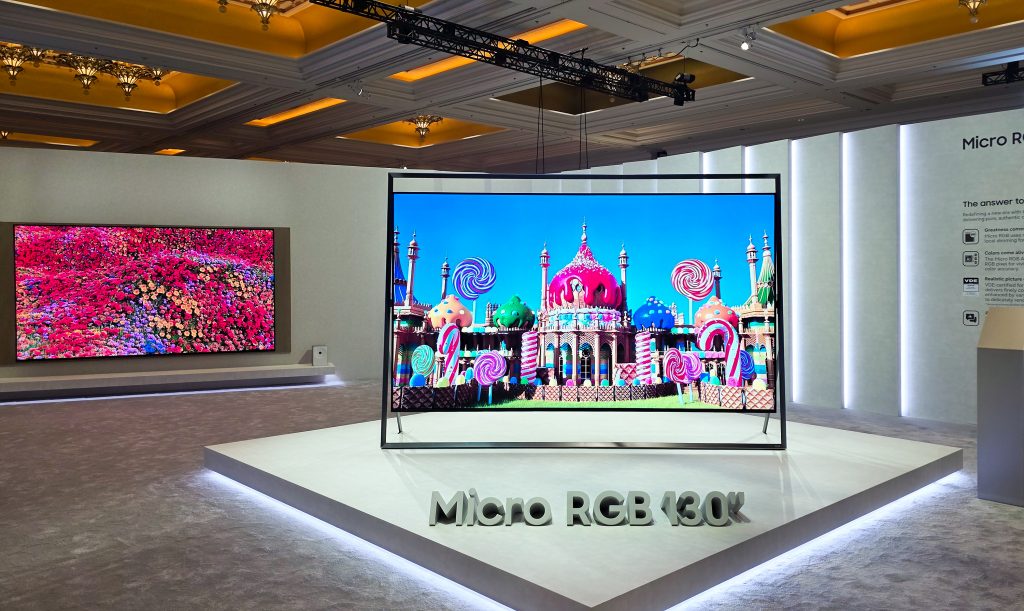
The atmosphere inside the Las Vegas Convention Center during CES 2026 was, as expected, a cacophony of competing "world-firsts." However, for those of us who track the intersection of luxury lifestyle and high-end technology, the true gravity of the event centered on Samsung’s "First Look" showcase. Amidst a sea of transparent displays and foldable concepts, the Samsung 130-inch Micro RGB TV (designated as the R95H) stood as an undeniable monolith of engineering. This is not merely another large screen; it is the world's largest single-piece television to date, utilizing sub-100 micrometer LEDs to achieve a level of visual fidelity that, frankly, makes current OLED and Mini-LED standards look like transitional technologies.
The King of CES 2026: A New Benchmark in Scale
The debut of the 130-inch R95H represents more than just a quest for size. For Samsung, it is a "Best of Innovation" milestone that signals the maturation of Micro RGB technology. While previous years focused on the modular "The Wall" or smaller consumer-facing Micro LED units, the R95H demonstrates an unprecedented ability to scale from 55 inches all the way to 130 inches without compromising on pixel density or structural integrity.
To appreciate why this stole the show, one must understand the core answer to the "why now?" question. The Samsung 130-inch Micro RGB TV is a feat of miniaturization. By utilizing LEDs smaller than 100 micrometers—roughly the width of a human hair—Samsung has managed to pack millions of self-emissive points into a single-piece chassis. This eliminates the "seams" often associated with modular large-scale displays and creates a canvas that feels less like a television and more like a digital window into another reality.
What is Micro RGB? Understanding the Next Evolution
To the casual observer, "Micro RGB" might sound like a marketing rebrand of "Micro LED." However, the distinction is technically significant and visually profound.
Standard Micro LED televisions typically utilize blue or white backlights passed through color filters or quantum dot layers to produce the final image. Micro RGB (Red, Green, Blue), on the other hand, utilizes separate, individual red, green, and blue LEDs for every single pixel. These microscopic light sources emit their specific color directly, bypassing traditional filters entirely.
This architectural shift results in what engineers call wavelength purity. Because there is no filter to "leak" light or mute the intensity, the color saturation is absolute.
- Color Gamut Brilliance: While top-tier Quantum Dot TVs (QD-OLED or Neo QLED) typically max out at 85% coverage of the BT.2020 color spectrum, Samsung’s Micro RGB technology achieves a full 100% BT.2020 coverage.
- Monochromatic Light Sources: Each sub-pixel is its own monochromatic light source, meaning the "reds" are purer and the "blacks" are deeper than any filter-based system could ever hope to achieve.
- Sub-100 Micrometer LEDs: The physical size of the LED allows for incredible precision, preventing light bleed even at the massive 130-inch scale.
Comparing the Titans: Micro RGB vs. The Field
| Feature | Micro RGB (R95H) | Traditional Micro LED | High-End OLED |
|---|---|---|---|
| Color Gamut (BT.2020) | 100% | ~85-90% | ~75-80% |
| Peak Brightness | 4,000+ Nits | 2,000-3,000 Nits | 1,500-2,000 Nits |
| Backlight Tech | Direct RGB Emission | Blue/White LED + Filter | Organic Emissive |
| Lifespan/Burn-in | Extremely High / None | High / Minimal | Moderate / Possible |
| Panel Type | Single-piece / Modular | Often Modular | Single-piece |
Performance Powered by AI: The R95H Internal Specs
A screen of this magnitude requires an immense amount of processing power to ensure that a 4K or 8K signal doesn't look "stretched." This is where the Micro RGB AI Engine Pro comes into play. This dedicated processor manages real-time color mixing and contrast enhancement, ensuring that the 100% BT.2020 gamut is utilized effectively rather than just being "bright."
Another critical addition for 2026 is the Glare Free technology. Covering 130 inches of glass usually results in a giant mirror for your living room lights. Samsung has implemented a new surface treatment that maintains image consistency and contrast even in high-glare environments—a necessity for the "mansion-style" open-plan living rooms this TV is destined for.
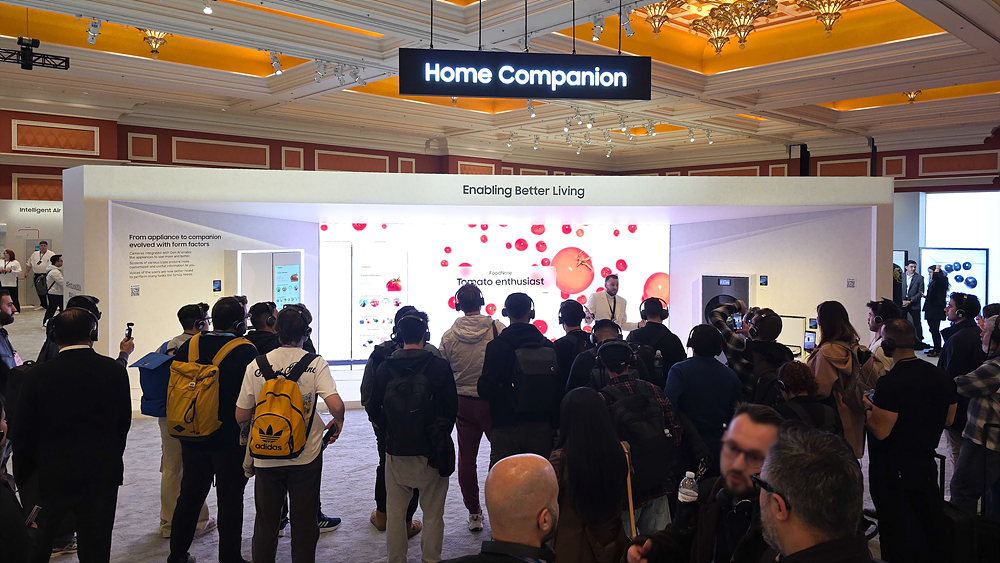
Furthermore, the R95H moves beyond the role of a passive screen with the Vision AI Companion. During the CES demonstration, the TV functioned more as an "Entertainment Companion." Using conversational prompts, the AI can curate content, adjust room lighting (via SmartThings integration), and even provide contextual information about what’s on screen in real-time.
Design Aesthetics: The 'Timeless Frame'
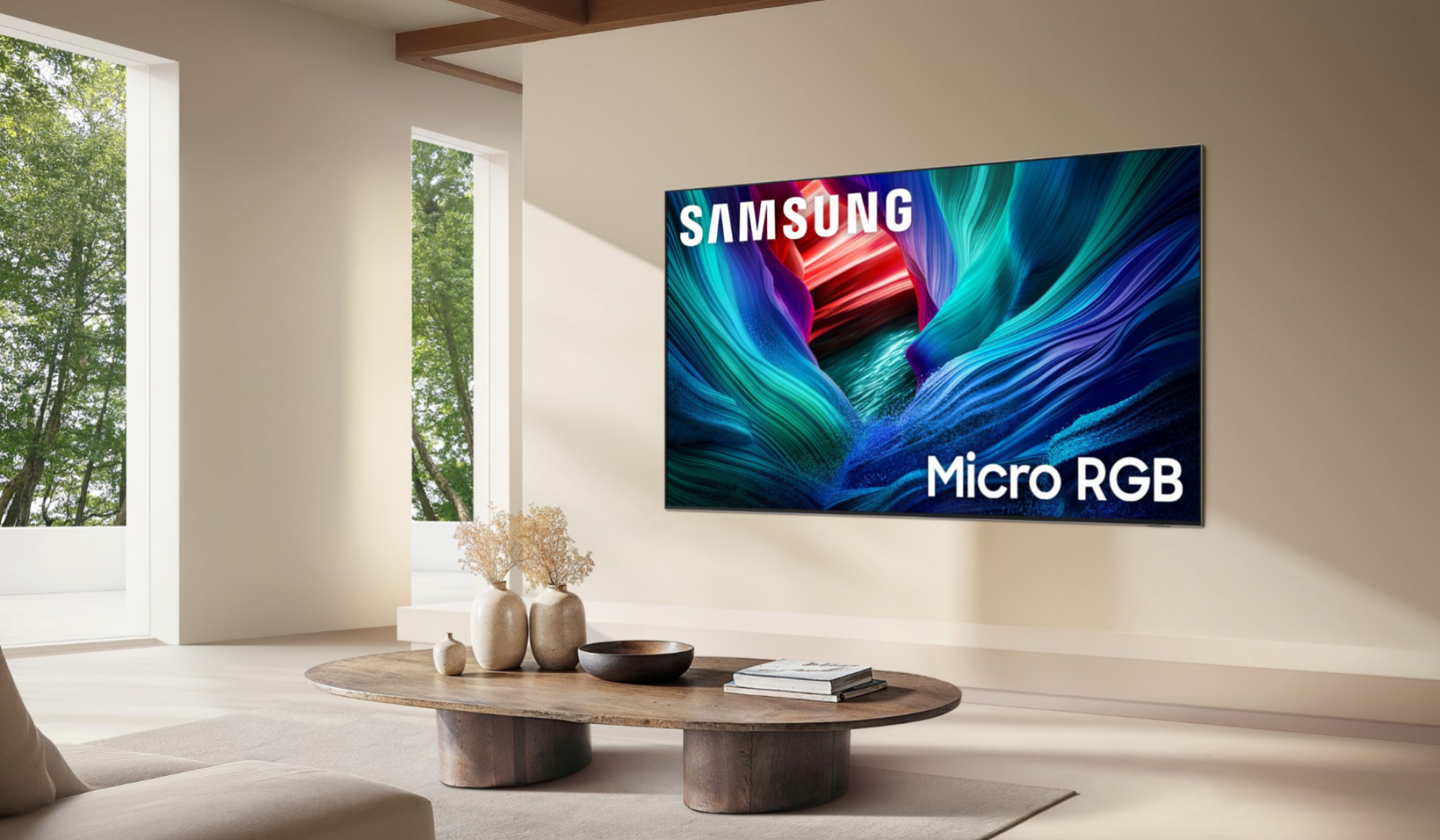
From a design perspective, Samsung is leaning heavily into its heritage. The R95H revives and evolves the "Timeless Gallery" concept first seen in 2013. The design features a minimalist, easel-like stand that Samsung calls the Timeless Frame.
For the traveler and luxury homeowner, the appeal lies in its architectural presence. On a "layered wall" setup, the 130-inch display creates a visual effect of a massive window. It avoids the traditional "black box" aesthetic by integrating into the room’s décor through Ambient Mode+, which can mirror the textures and colors of the wall behind it.
However, a dose of objectivity is required regarding practicality. A 130-inch set is not something you "mount" in a standard apartment. It requires specialized structural support and, ideally, a room with significant depth to appreciate the scale. The "chalkboard-like" stand is elegant, but it demands a substantial footprint in your living space.
Market Context: Pricing, Availability, and Concepts
Now for the reality check. As an authoritative critic, I must emphasize that the 130-inch Micro RGB R95H shown at CES 2026 is currently a concept model. It serves as a North Star for Samsung’s engineering prowess rather than a product you can add to your Amazon cart today.
That said, the trajectory of this technology is promising. We are witnessing a rapid democratization of high-end display tech. Consider the historical price evolution of Samsung’s flagship large-scale displays:
- 2024: The 114-inch Micro LED debuted at a staggering $150,000.
- 2025: The 115-inch Micro RGB model saw a dramatic price correction, landing at $29,999.
- 2026: While the 130-inch pricing remains "upon request," the consumer-available Micro RGB sizes (55, 65, 75, 85, 100, and 115 inches) are expected to follow the downward pricing curve established in 2025.
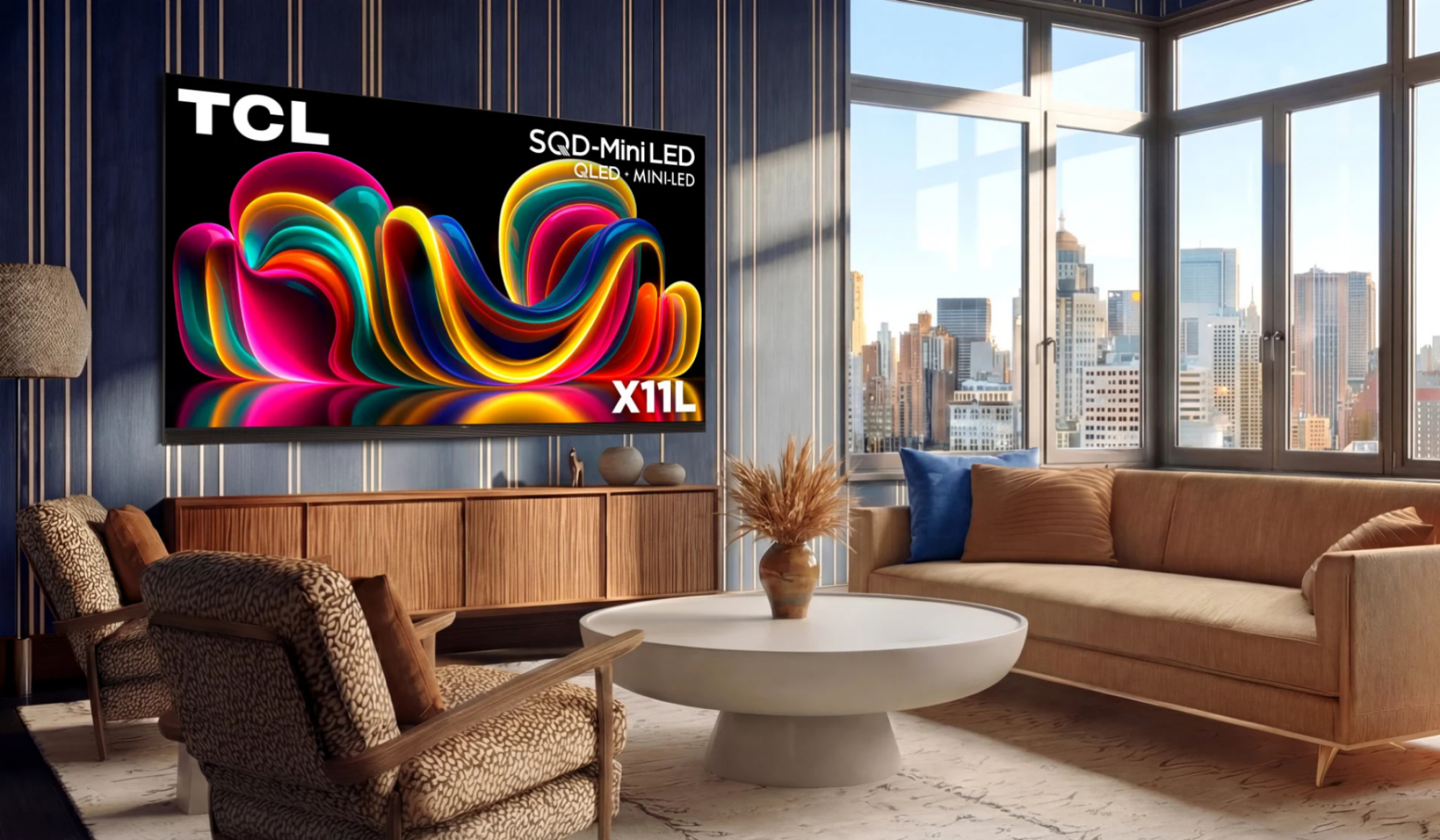
Competitors are not sitting idle. Brands like TCL are pushing the limits of Mini LED, offering massive screens at a fraction of the Micro RGB cost. While Micro RGB is technically superior in color purity and longevity, the value proposition of a high-end Mini LED remains strong for those who don't have $30,000 to spend on a display.
The Verdict: A Glimpse of the Near Future
The Samsung 130-inch Micro RGB TV is a statement of intent. It proves that the limitations of color gamut and scale are being systematically dismantled. For the high-end traveler who wants the same visual fidelity in their home theater as they experience in a luxury IMAX suite, the R95H is the current gold standard.
While the 130-inch model remains a halo product, the "trickle-down" effect of the Micro RGB AI Engine Pro and the sub-100 micrometer LED tech into the 75-inch and 85-inch models is where the real market shift will happen.
FAQs
Q: Can I buy the 130-inch Samsung R95H right now? A: No. The 130-inch model is a concept unit designed to showcase the limits of Micro RGB technology. However, Samsung offers Micro RGB sets in sizes up to 115 inches for consumer purchase as of the 2026 product cycle.
Q: Is Micro RGB better than OLED? A: In terms of peak brightness and color gamut (100% BT.2020), yes. Micro RGB also lacks the organic components that lead to OLED burn-in. However, OLED currently remains much more affordable and accessible for the average consumer.
Q: What is the benefit of the Vision AI Companion? A: It transforms the TV from a display into a smart home hub. It uses conversational AI to manage your content, answer questions about what you're watching, and control other connected devices in your home environment.
Explore Samsung's Micro LED Collection →
If you are planning a home theater renovation or seeking the absolute pinnacle of display technology for a luxury property, keep a close watch on Samsung's Micro RGB release schedule. While the price of entry remains high, the visual payoff is, quite literally, unprecedented.