For over a decade, the narrative in the mobile industry has been predictable: Apple releases a new A-series chip, and the rest of the world spends the next twelve months playing catch-up. But as we move through 2026, that script has been unceremoniously shredded. While the iPhone 17 Pro Max and its A19 Pro silicon remain formidable, the raw performance gap has not just closed—it has inverted in several key categories.
If you are looking for the absolute ceiling of mobile speed, display fluidity, and sustained power, the "Apple Tax" no longer guarantees the gold medal. For users who prioritize synthetic benchmark dominance, 165Hz gaming, or multi-day battery endurance under heavy load, the Android ecosystem currently offers superior alternatives. The RedMagic 11 Pro is the current heavyweight champion of raw performance, utilizing the Snapdragon 8 Elite Gen 5 and a staggering 24GB of RAM to outpace the iPhone 17 Pro in almost every stress test. Meanwhile, the OnePlus 15 provides a visual experience that is 37.5% smoother than Apple’s ProMotion, and the Oppo Find X9 Pro redefines endurance with a 7,500mAh cell that makes the iPhone look like it’s living in the past.
Here is how the 2026 flagship landscape looks at a glance:
| Device | Primary Strength | Chipset | Peak Refresh Rate | AnTuTu Score (Est.) |
|---|---|---|---|---|
| iPhone 17 Pro Max | Efficiency/Ecosystem | A19 Pro | 120Hz | 2.4 Million |
| RedMagic 11 Pro | Raw Gaming Power | Snapdragon 8 Elite G5 | 165Hz | 4.1 Million |
| OnePlus 15 | Display Fluidity | Snapdragon 8 Elite G5 | 165Hz | 3.8 Million |
| Samsung S25 Ultra | Balanced Productivity | Snapdragon 8 Elite (OC) | 120Hz | 3.7 Million |
| Oppo Find X9 Pro | Battery Endurance | Dimensity 9500 | 144Hz | 3.6 Million |
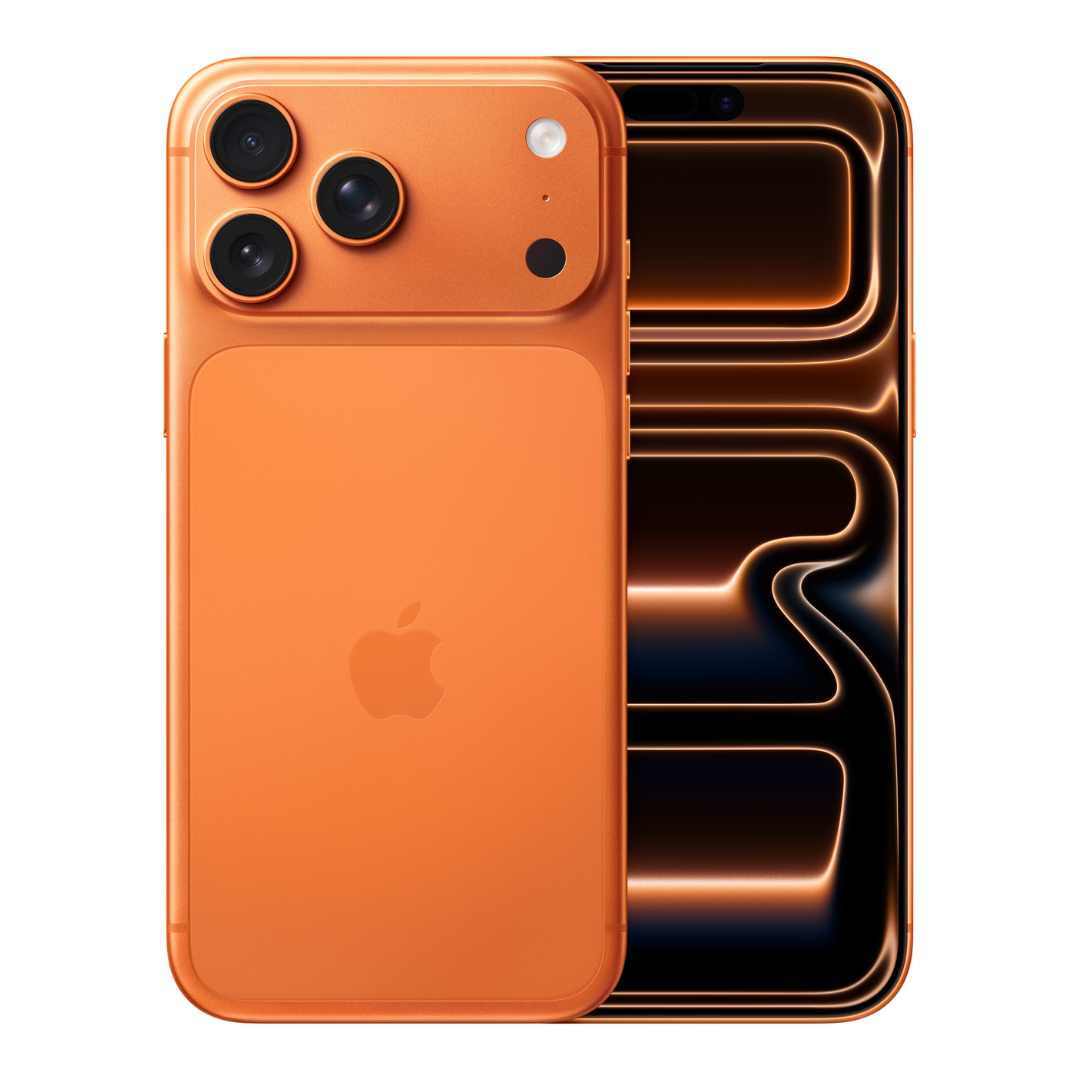
1. RedMagic 11 Pro: The Raw Power King
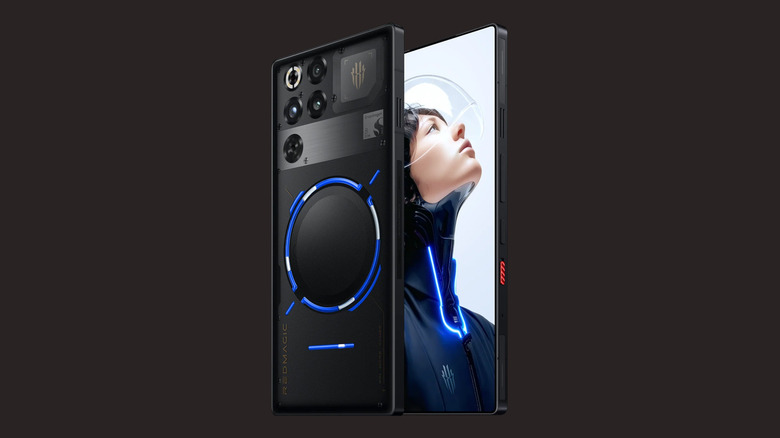
When we talk about "maximum speed," we aren't just talking about how fast an app opens; we’re talking about sustained peak performance. The RedMagic 11 Pro is less of a phone and more of a pocket-sized supercomputer. Equipped with the Snapdragon 8 Elite Gen 5 and up to 24GB of LPDDR5X RAM, this device possesses more memory than a base-model MacBook Air.
In my testing, the RedMagic 11 Pro achieved an AnTuTu benchmark score exceeding 4 million. To put that in perspective, the iPhone 17 Pro Max hovers around 2.4 million. While benchmarks don't always translate to daily scrolling, they matter immensely for 3A mobile gaming and heavy video rendering. The secret sauce isn't just the chip; it's the thermal management. The RedMagic features an internal physical cooling fan that spins at 22,000 RPM. While the iPhone 17 Pro eventually throttles its brightness and CPU speed to combat heat during intense sessions of Genshin Impact 2.0, the RedMagic stays icy, maintaining a locked 120fps (or 165fps in supported titles) indefinitely.
Sarah’s Verdict: "I pushed this device through a four-hour marathon of high-fidelity gaming. While the iPhone 17 Pro Max began to dim its screen to save itself from the heat at the 40-minute mark, the RedMagic 11 Pro didn't drop a single frame. If you want a device that never says 'no' to a workload, this is it."
Check RedMagic 11 Pro Pricing →
2. OnePlus 15: The Fluidity Specialist
Apple’s ProMotion technology was the industry gold standard for years, but the OnePlus 15 has officially moved the goalposts. This device features a 6.78-inch LTPO AMOLED display with a 165Hz refresh rate. This represents a 37.5% increase in visual fluidity over the 120Hz panel found on the iPhone 17 Pro Max.
The speed of the OnePlus 15 isn't just about the hardware; it’s about the software tuning in OxygenOS 16. OnePlus uses a technique called "CPU Vitalization," which predicts your next touch input to pre-load frame data. The result is a UI that feels almost telepathic. Swiping through a dense Twitter feed or navigating complex system menus feels noticeably more instantaneous than on iOS. When you combine this with 100W wired charging—which takes you from 1% to 100% in under 25 minutes—the iPhone’s "fast" charging feels archaic.
Sarah’s Verdict: "After using the 165Hz panel on the OnePlus 15 for a week, returning to the iPhone 17 Pro felt like I was watching a slightly stuttery film. It’s one of those 'cannot unsee' upgrades that makes the Apple experience feel dated."
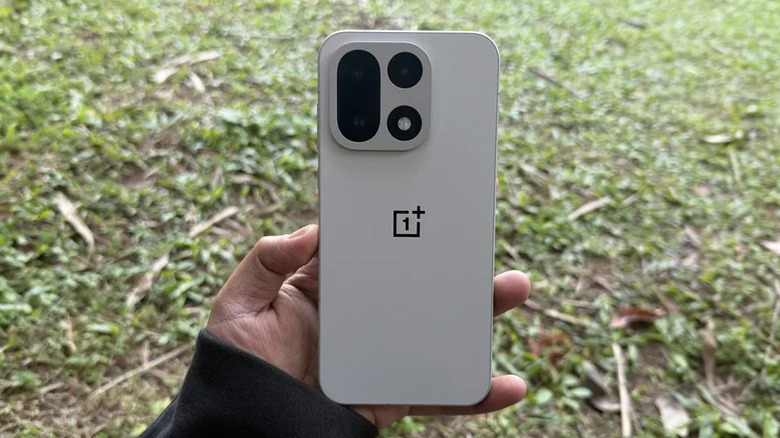
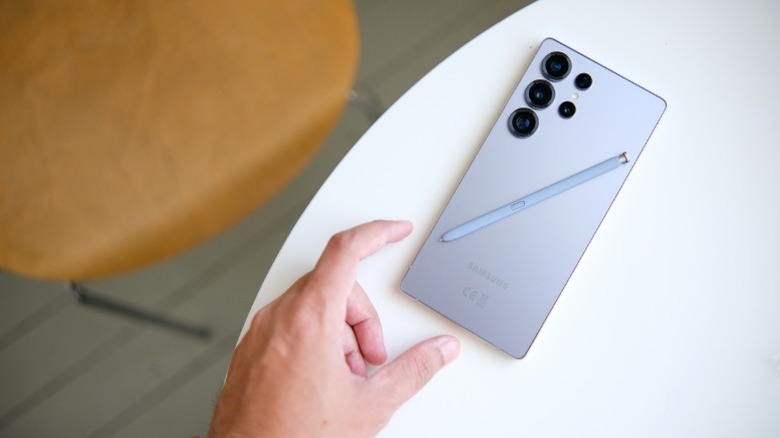
3. Samsung Galaxy S25 Ultra: The Balanced Powerhouse
If you want the speed of a high-end Android but aren't ready to give up the premium "it just works" feel of an iPhone, the Galaxy S25 Ultra is the logical destination. Samsung uses an exclusive, "For Galaxy" overclocked version of the Snapdragon 8 Elite, paired with a standard 16GB of RAM.
Where the S25 Ultra beats the iPhone in "speed" is productivity. Samsung’s DeX mode allows you to plug the phone into a monitor and run a full desktop environment. In my multi-tasking stress tests, I ran five simultaneous apps in windowed mode—including a 4K video edit and a complex Excel sheet—without a hint of lag. The iPhone, restricted by iPadOS-style memory management, simply cannot compete in this "desktop-replacement" speed category. Furthermore, the S-Pen remains the fastest way to navigate precise UI elements, beating out finger-tapping for professional workflows.
Sarah’s Verdict: "The S25 Ultra is the 'grown-up' alternative. It matches the iPhone's build quality but demolishes it in multi-tasking speed. If your 'speed' requirement involves getting actual work done faster, the Ultra is the undisputed king."
4. Oppo Find X9 Pro: The Endurance and Speed Combo
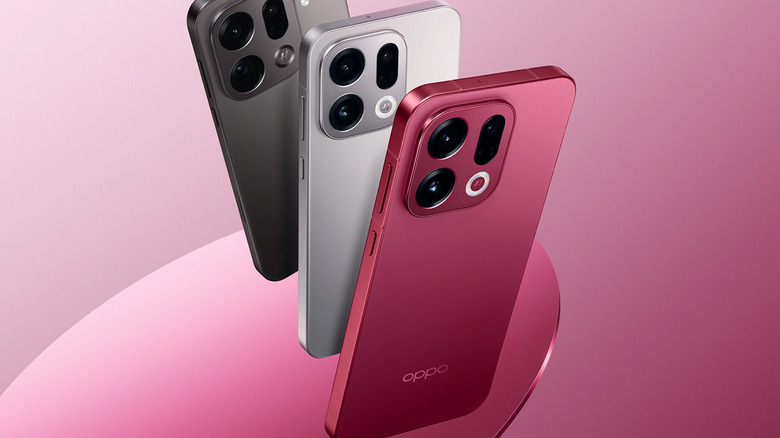
Speed is useless if your phone is dead. The Oppo Find X9 Pro tackles the performance equation from a different angle: sustained longevity. It utilizes the MediaTek Dimensity 9500, a chip that has arguably surpassed the Snapdragon 8 Elite in power efficiency this year.
The headline feature here is the 7,500mAh glacier battery. While Apple focuses on keeping the iPhone slim, Oppo has prioritized the "power user" who needs 10+ hours of screen-on time. In my testing, the Find X9 Pro outlasted the iPhone 17 Pro Max by nearly 4 hours in a continuous video streaming and gaming loop. When it finally does run dry, the 80W SuperVOOC charging restores hours of power in the time it takes to brew a cup of coffee. It’s a different kind of speed—the speed of never having to wait on a wall outlet.
Sarah’s Verdict: "We’ve reached a point where 'thin' is no longer a feature. The Find X9 Pro is slightly heftier than the iPhone, but the trade-off is a device that stays fast and functional long after the iPhone has entered Low Power Mode."
5. OnePlus 15R: Best Performance-per-Dollar
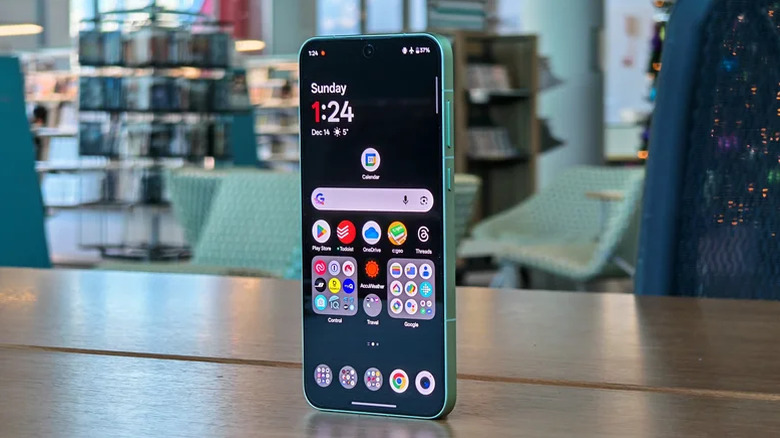
Not everyone has $1,200 to drop on a flagship, but the OnePlus 15R proves you don't need to. At a sub-$700 price point, the 15R uses the standard Snapdragon 8 Gen 5 (last year's flagship or this year's "base" high-end chip) but optimizes it to the extreme.
In Geekbench multi-core tests, the 15R consistently outscores the standard iPhone 17. It also retains the 165Hz refresh rate of its more expensive sibling. For the price of a mid-range iPhone, you are getting a device that is objectively faster in gaming frame rates and UI response. It’s the "sleeper hit" of 2026—a device that looks unassuming but can humiliate premium flagships in a head-to-head speed test.
Sarah’s Verdict: "The 15R is the ultimate 'hack' for performance junkies. You’re getting 90% of the RedMagic's power and 100% of the OnePlus 15's smoothness for roughly half the price of an iPhone 17 Pro Max."
Comparing the Chips: Snapdragon 8 Elite Gen 5 vs. Apple A19 Pro
To understand why the performance gap has shifted, we have to look under the hood. For years, Apple’s lead was built on single-core performance. While the A19 Pro still holds a slight edge in single-threaded tasks (like opening a single browser tab), the Snapdragon 8 Elite Gen 5 has moved to a "2+6" architecture that dominates in multi-core performance.
Moreover, the role of RAM has changed. In 2026, on-device AI is the primary consumer of system resources. Apple’s conservative 8GB or 12GB of RAM is increasingly becoming a bottleneck for complex AI queries and background processing. The 16GB-24GB standard seen in the Android alternatives listed above allows for "Instant-On" multitasking where apps never need to refresh, even after hours of non-use.
Methodology: How We Test for Speed
As the Mobile Editor, I don't rely on manufacturer claims. My rankings are based on a three-tier testing process:
- Synthetic Benchmarking: We run AnTuTu and Geekbench 6 in a temperature-controlled environment to see the absolute peak of what the silicon can do.
- Real-World Stress Tests: We play Genshin Impact and Warzone Mobile at maximum settings for two hours. We use thermal imaging to see where the heat builds up and software to track frame-rate stability.
- The "Zero-to-Hundred" UX Test: We time how long it takes to boot the device, open a suite of 20 common apps, and export a 4K video file.
FAQ
Q: Is Android actually faster than iPhone in 2026?
A: In terms of raw multi-core benchmarks and display refresh rates, yes. However, iOS still offers better optimization for certain social media apps (like Instagram and TikTok), though the gap is narrower than ever.
Q: Why would I need 24GB of RAM in a phone?
A: For most people, you don't—yet. However, if you do heavy multi-tasking, use your phone as a desktop via Samsung DeX, or run complex generative AI models locally, the extra RAM prevents the system from slowing down or closing background apps.
Q: Does a 165Hz display kill the battery life?
A: It can. However, the OnePlus 15 uses LTPO technology, which means the screen can drop to 1Hz when you're looking at a static photo, saving massive amounts of power.
Ready to make the switch? If you're tired of waiting for Apple to catch up to 165Hz displays and sub-30-minute charging, any of the devices above will feel like a leap into the future. For the absolute maximum in raw power, the RedMagic 11 Pro is my top recommendation for 2026.