In the rapidly evolving landscape of personal computing, brand loyalty is often tested by a single metric: reliability. For 2025, that metric has delivered a sobering verdict for one of the industry's most recognizable names. While Acer has long positioned itself as the "everyman’s" laptop—offering high-end specifications at prices that undercut competitors—the latest consumer satisfaction data suggests that the hidden cost of these savings may finally be catching up with the brand.
According to the 2025 American Customer Satisfaction Index (ACSI), Acer currently sits at the bottom of the major manufacturer rankings with a score of 75%. This is not merely a statistical outlier; it is a reflection of growing consumer frustration regarding hardware longevity and post-purchase support. For those looking to invest their hard-earned capital in a new machine this year, the question isn't just about the price tag—it’s about whether the device will actually be functioning two years from now.
Quick Verdict: Acer in 2025
- The Bottom Line: Acer is currently the lowest-rated major laptop brand due to a 75% ACSI satisfaction score and significant reliability concerns.
- Who Should Buy?: Students on a strict budget or users looking for a secondary, non-essential device where upfront cost is the only priority.
- Who Should Avoid?: Professionals, creative editors, and anyone requiring a machine to last more than 3-4 years without hardware failure.
- Key Warning: 36% of Acer laptops are reported to develop faults within the first seven years, significantly higher than premium competitors.
The Data: Why Acer Ranks at the Bottom
To understand Acer’s current predicament, we must look beyond marketing glossaries and into the cold, hard data of consumer experiences. The ACSI report is widely considered the gold standard for measuring customer sentiment, and Acer’s 75% score is particularly glaring when placed alongside its peers. While an 8% gap between Acer and the industry leaders might seem small on paper, in the world of high-stakes computing, it represents a vast canyon of difference in user experience.
| Brand | ACSI Satisfaction Score (2025) | Primary Market Strength |
|---|---|---|
| Apple | 85% | Ecosystem & Longevity |
| HP | 83% | Design & Performance |
| Samsung | 82% | Display Technology |
| Dell | 81% | Support & Build Quality |
| Lenovo | 80% | Reliability & Keyboards |
| Acer | 75% | Budget Affordability |
The dissatisfaction isn't limited to general sentiment. Data from the consumer advocacy group Which? paints an even more concerning picture of hardware durability. Their research indicates that approximately 36% of Acer laptop owners reported their device developed a hardware fault within the first seven years of ownership. When you consider that a laptop is often a five-year investment for the average consumer, a one-in-three failure rate is a difficult pill to swallow.
Furthermore, Acer’s reputation on consumer advocacy platforms like the Better Business Bureau (BBB) remains anchored at a 1-star rating. Specific reports from the last 12 months highlight a recurring and physically dangerous issue: battery swelling. Approximately 7% of surveyed Acer owners reported issues with batteries expanding, which can warp the chassis, destroy the trackpad, and pose a genuine fire hazard.
Expert Insight: "Longevity is the true test of value. A $600 laptop that lasts three years is more expensive in the long run than a $1,200 laptop that lasts eight. Acer’s current trajectory suggests they are prioritizing the 'out-of-box' experience over the 'three-years-later' reality." — James Wright
The 'Budget Trap': Why Acer Still Dominates Sales
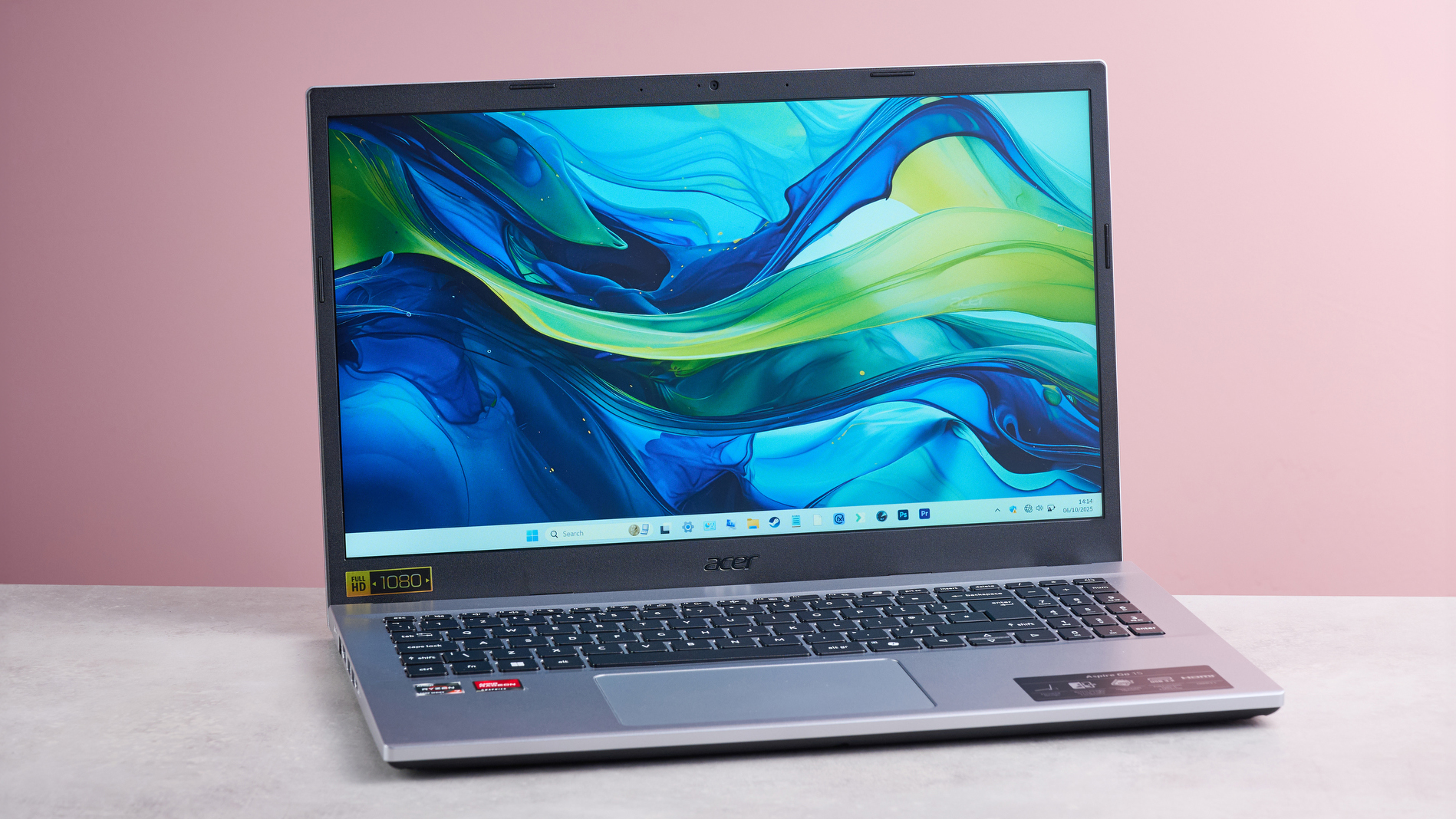
If the ratings are so low, why does Acer remain a global powerhouse in sales? The answer lies in the "Budget Trap." Acer has mastered the art of the spec sheet. When a consumer walks into a retail store, they see an Acer Aspire or Swift model sitting next to a Dell or MacBook. On paper, the Acer often has more RAM, a larger SSD, and a faster processor for $200 less.
For example, the new Acer Aspire 14 AI offers cutting-edge hardware for approximately $1,049—a price point that its competitors struggle to match without compromising on internal components. This makes Acer the "best value" choice for:
- The Education Sector: Schools and universities frequently buy Acer Chromebooks in bulk because they are essentially disposable assets with low upfront costs.
- Budget-Conscious Students: For a student who only needs to write papers and browse the web for four years, the high failure rate after year five is a distant concern.
- The Gaming Entry-Level: The Acer Nitro series remains one of the most accessible ways for teenagers to enter the world of PC gaming without a $2,000 investment.

However, as a critic, I must advise you to look beyond the price tag. The savings you find at the checkout counter are often subsidized by the use of lower-grade plastics, thinner cooling pipes, and cheaper hinge mechanisms. In the world of laptops, you truly get what you pay for.
Critical Failure Points: The Common Complaints
The 2025 feedback loop from Acer users reveals several "Achilles' heels" that potential buyers should be aware of. These aren't just one-off defects; they are systemic issues reported across multiple product lines.
1. Hardware Longevity and Build Quality
The most frequent complaints center on the physical integrity of the machines. Users report that screen hinges often stiffen or snap after 18 to 24 months of regular use. Additionally, the cooling fans in the more affordable Aspire models are prone to premature failure, leading to thermal throttling—where the laptop slows down significantly to prevent itself from melting.
2. The Repair Nightmare
Perhaps the most frustrating aspect of Acer ownership occurs once the warranty expires. Consumer satisfaction regarding Acer's repair process sits at a dismal 55%. Users frequently report:
- Difficulties in sourcing genuine replacement parts.
- High costs for out-of-warranty repairs that often exceed the value of the laptop itself.
- Long turnaround times at authorized service centers.
3. Software and 'Bloatware'
Unlike Microsoft’s Surface line or Apple’s MacBooks, Acer laptops often come pre-loaded with an excessive amount of "bloatware"—third-party software like trial antivirus programs and "system optimizers" that actually slow the machine down. For a novice user, this makes a brand-new laptop feel sluggish from day one.
Acer vs. The Competition: Is It Time to Switch?
When we compare Acer to the broader market, the differences in philosophy become clear. If reliability is your primary concern, there are two clear paths to take in 2025 that avoid the pitfalls of the lowest-rated brand.
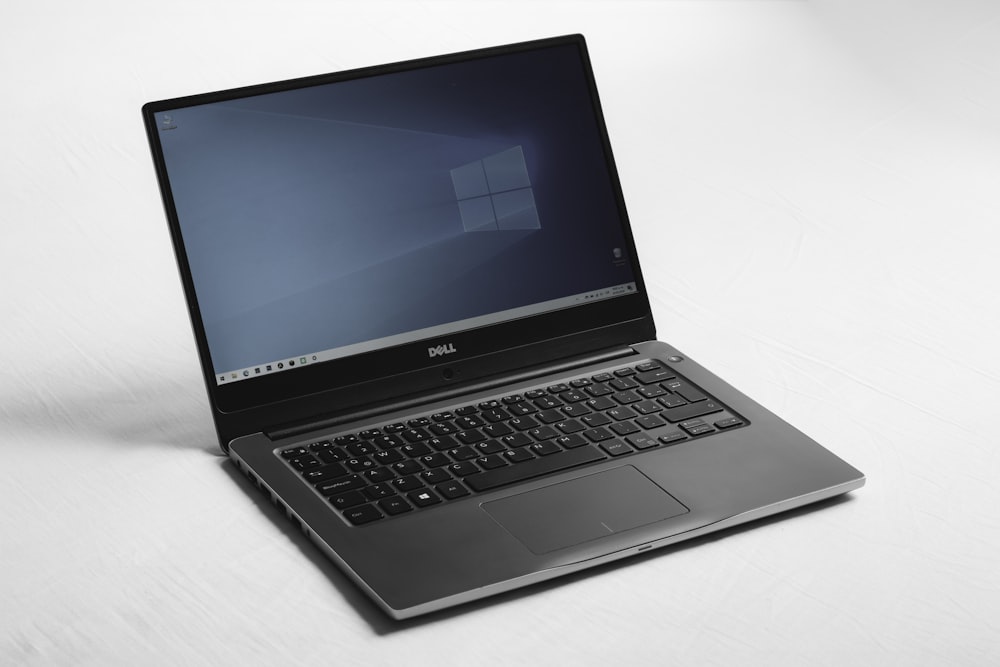
The Business-Class Alternative: Lenovo For those who value durability, Lenovo’s ThinkPad series remains the gold standard. While you may pay a premium for a ThinkPad compared to an Acer Aspire, the build quality is night and day. Lenovo consistently ranks higher in reliability surveys because their business-class machines are designed to survive spills, drops, and years of heavy travel.
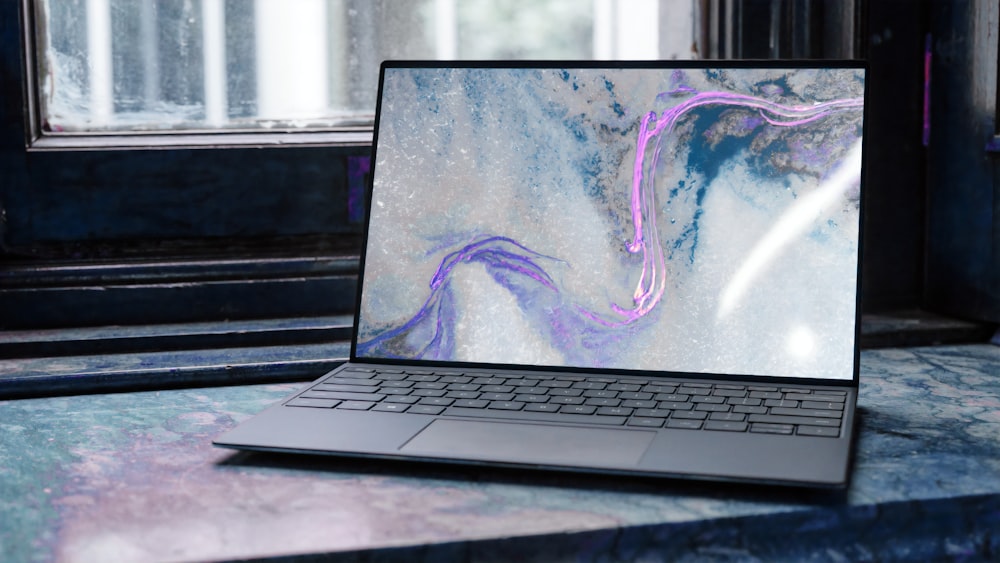
The Premium Support Alternative: Dell If you are worried about the "repair nightmare," Dell offers a superior ecosystem. Their XPS line provides a premium design that rivals Apple, but more importantly, their "ProSupport" options are widely regarded as the best in the Windows world. If your Dell breaks, getting a technician to your door is a reality, not a bureaucratic hurdle.
Final Verdict: Is an Acer Right for You in 2025?
As a travel and tech critic, my goal is to help you find the best tool for the job. Acer is not a "bad" brand in the sense that their products don't work; rather, they are a "high-risk" brand.
You should buy Acer if:
- You are a student who needs a machine for a limited 2-3 year window.
- You are purchasing a Chromebook for basic web browsing.
- You are an experienced user who knows how to clean out bloatware and perform minor hardware maintenance yourself.
You should avoid Acer if:
- You are a professional whose livelihood depends on a working computer.
- You are a content creator (video/photo) who will put heavy thermal stress on the components.
- You want a laptop that will still be your primary device in 2030.
For professionals and creators, the higher upfront cost of a MacBook or a high-end Dell is almost always justified by the long-term reliability and the peace of mind that comes with a higher customer satisfaction rating.
View Acer's Latest Models & Specs →
FAQ
Q: Does Acer have any high-quality models? A: Yes. The Acer Predator (gaming) and Acer Swift (thin-and-light) series generally have better build quality than the entry-level Aspire models. However, they still suffer from the same brand-wide customer support issues.
Q: Is the 1-star BBB rating common for laptop brands? A: Most tech giants have lower ratings on the BBB because people rarely go there to leave positive reviews. However, Acer’s specific reports regarding battery swelling and unhelpful support are more frequent than those for Apple or HP.
Q: Should I buy an extended warranty if I buy an Acer? A: Absolutely. Given the 36% fault rate over seven years, an extended warranty is a wise investment if you choose Acer, as it mitigates the high cost of their out-of-warranty repairs.
Are you currently using an Acer laptop? Share your experience with hardware longevity in the comments below. Your data helps other readers make informed decisions