For the better part of a decade, the global tech calendar has been anchored by a single, predictable event: the September iPhone launch. Since 2017’s high-stakes debut of the iPhone 8 and the paradigm-shifting iPhone X, Apple has operated with the precision of a Swiss horologist, releasing its flagship lineup like clockwork every fall. However, the gears of this decade-long tradition are beginning to grind toward a fundamental shift.
The industry is currently bracing for what analysts call the "2026 Pivot." Driven by a combination of manufacturing bottlenecks, a ballooning product portfolio, and the cutthroat necessity of year-round market relevance, Apple is poised to dismantle its simultaneous launch strategy. For the first time, the "Standard" and "Pro" monikers will no longer share a birth date.
The Strategic 'Why': Beyond the Tradition
The decision to break a ten-year tradition is never made lightly at Cupertino. At the heart of this shift is a simple, unavoidable reality: Apple’s annual iPhone lineup is projected to expand by 50%, moving from four core models to six distinct variants by 2027. Managing a simultaneous global launch for six unique hardware configurations is a logistical nightmare that even Apple’s world-class supply chain can no longer justify.
By moving to a staggered, biannual release schedule, Apple achieves three critical corporate objectives:
- Supply Chain Equilibrium: The traditional "September Spike" creates an immense strain on manufacturing partners like Foxconn and TSMC. Concentrating 80% of annual production into a four-month window leads to labor shortages and quality control risks. A staggered cycle flattens this peak, allowing for more consistent production year-round.
- Fiscal Consistency: Currently, Apple’s revenue is heavily weighted toward the first fiscal quarter (the holiday season). By introducing high-volume "Standard" or "SE" models in the spring, Apple can shore up its Q3 and Q4 earnings, maintaining a year-round "stranglehold" on the smartphone market and keeping investors satisfied during the mid-year lulls.
- The 2nm Pricing Hurdle: The transition to 2nm chip architecture is incredibly expensive. Reports suggest that TSMC’s 2nm wafers could cost upwards of $30,000 each. By staggering releases, Apple can prioritize the most expensive silicon for the high-margin Pro models in the fall, while allowing the standard models to utilize slightly older, more cost-effective yields in the spring.
The New 2026–2027 Release Calendar
The transition will begin in earnest in early 2026. This isn't just a minor adjustment; it is a complete restructuring of the consumer's relationship with the iPhone upgrade cycle.
Spring 2026: The Budget Refresh
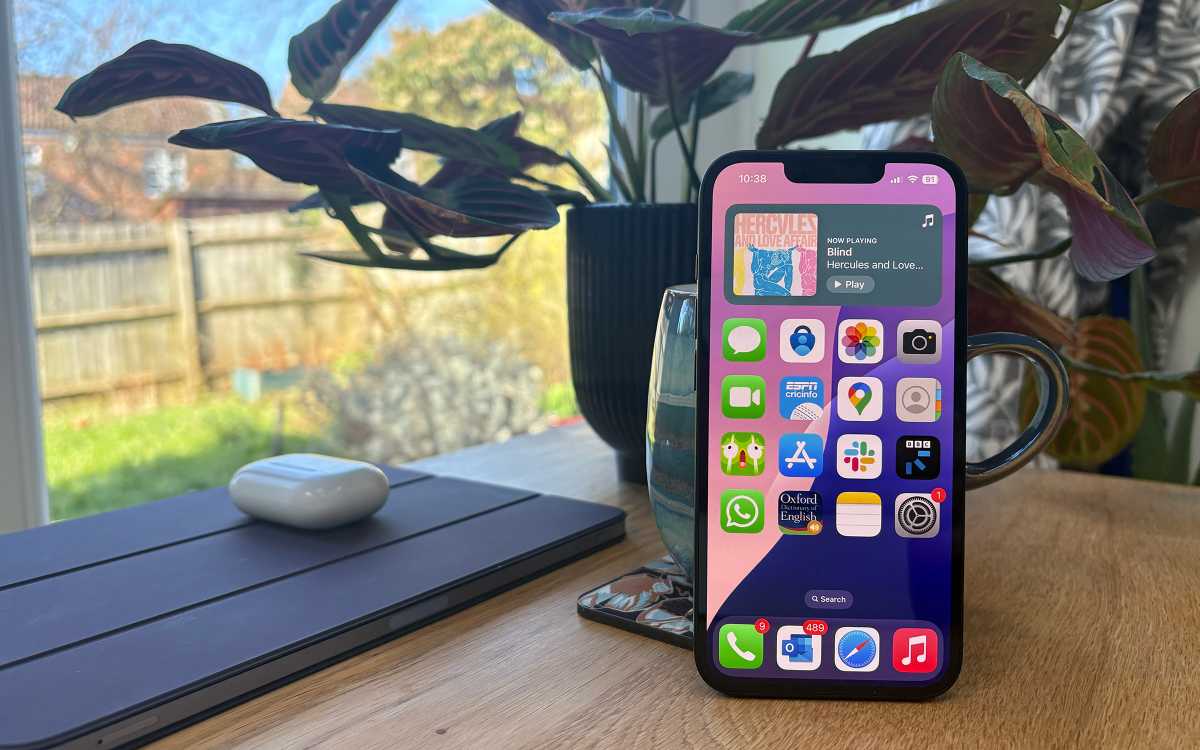
The first sign of the shift will be the arrival of the iPhone 17e. This model is expected to replace the traditional "Plus" or "SE" role, serving as a high-performance entry point. Rumors suggest it will feature the A19 chip (3nm), a 60Hz display, and robust MagSafe support, targeting the mass market that prioritizes value over bleeding-edge optics.
Fall 2026: The Premium Powerhouse
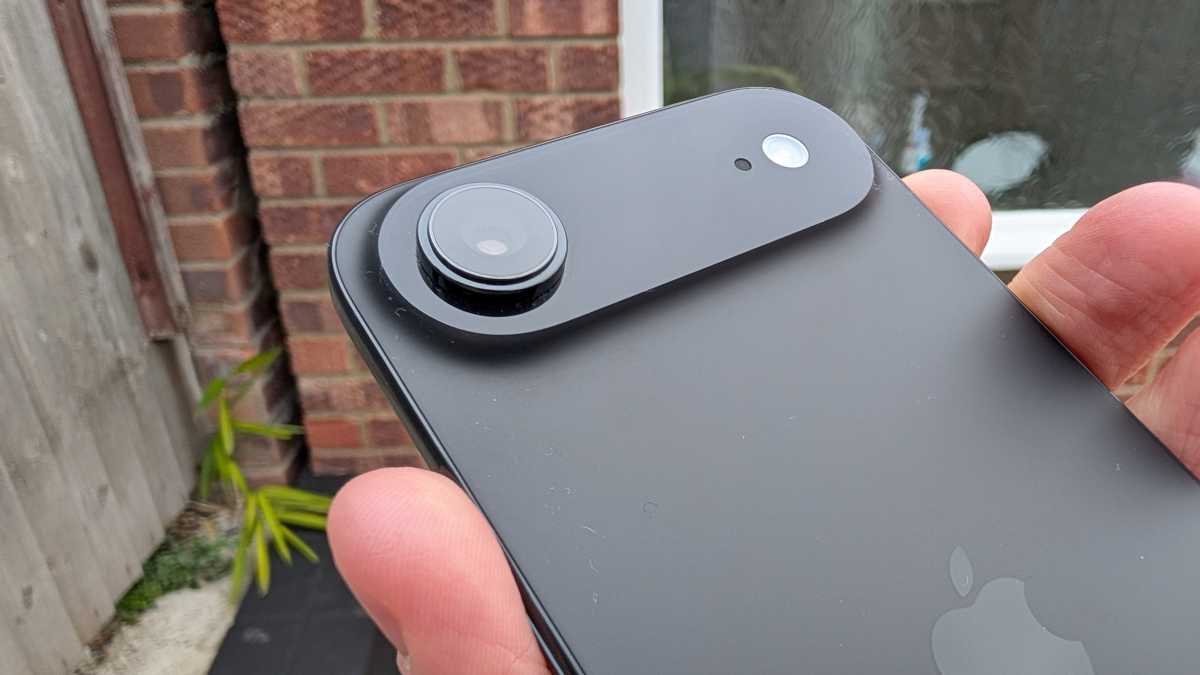
In September 2026, the tradition continues—but only for the elite. Apple is expected to launch the iPhone 18 Pro and Pro Max. These devices will likely debut the first N1/C2 chips and potentially introduce under-display Face ID sensors, further slimming the "Dynamic Island" into a functional invisibility.
However, the real showstopper will be the "Wildcard": Apple’s first-generation Foldable iPhone. Targeted at a $2,000+ price point, this device is designed to compete directly with the Samsung Galaxy Z Fold series but with the "refined" Apple touch that enthusiasts have waited years to see.
Spring 2027: The Big Delay
The most controversial aspect of this new roadmap is the fate of the base model. The standard iPhone 18 is rumored to be delayed until Spring 2027, breaking the decade-long tradition of a simultaneous launch with the Pro models.
This creates an unprecedented 18-month gap between the release of the base iPhone 17 and its direct successor, the iPhone 18. For the average consumer, this means the "standard" iPhone will no longer be the default fall purchase, but rather a mid-cycle refresh that keeps the brand relevant through the summer months.
Timeline Infographic Placeholder: The 2026-2027 Staggered Launch
- March 2026: iPhone 17e (Entry-level refresh)
- September 2026: iPhone 18 Pro / iPhone 18 Pro Max / iPhone Fold
- March 2027: iPhone 18 (Standard) / iPhone 18 Plus (or Air variant)
The 'Foldable' Factor: How the iPhone Fold Changed Everything
The introduction of a foldable form factor is perhaps the single biggest catalyst for the release cycle disruption. Apple realizes that a foldable device cannot simply be "another phone" in an already crowded September stage. It requires its own dedicated "hype period" to justify its projected $2,000+ price tag.
Apple's folding design is rumored to move away from the "narrow" cover screen seen on competitors. Instead, engineers are working on a book-style fold with an ultra-thin hinge and a potential side-button Touch ID for secondary authentication.
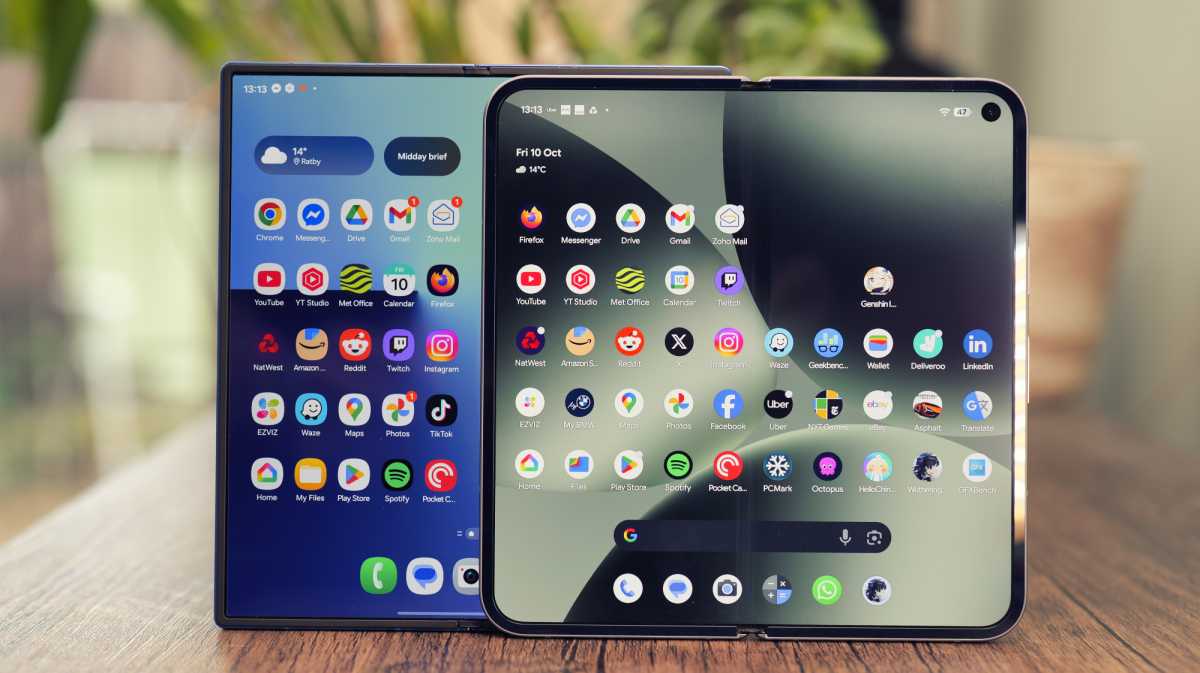
By separating the Foldable and Pro launches from the standard model, Apple ensures that its most expensive hardware receives 100% of the media’s attention during the critical holiday shopping season. It avoids "feature cannibalization," where a cheaper base model might distract from the high-margin innovation of the foldable.
The Consumer Impact: Sticker Shock and Availability
For the long-term Apple loyalist, this shift presents a complicated value proposition. The most immediate impact is the staggered moniker. If you want the "newest" number (the iPhone 18) in the fall of 2026, you will be forced to buy a Pro model starting at an estimated $1,099. The "affordable" version of that generation won't exist for another six months.
Economic pressures are also playing a significant role in this transition:
- 2nm Chip Costs: As mentioned, the move to next-gen silicon is driving up the Bill of Materials (BOM). Staggering releases allows Apple to bake these costs into the Pro models first.
- Geopolitical Tariffs: With shifting trade policies and potential US tariffs on electronics, a biannual release gives Apple more flexibility to adjust MSRP (Manufacturer's Suggested Retail Price) based on current economic conditions rather than locking in prices for an entire fleet once a year.
Summary of Key Changes: Old Cycle vs. New Cycle
| Feature | Old Cycle (Pre-2026) | New Cycle (Post-2026) |
|---|---|---|
| Launch Frequency | Once per year (September) | Biannual (March & September) |
| Model Diversity | 4 Core Models (Standard to Pro Max) | 6+ Variants (e-series to Foldable) |
| Upgrade Gap | 12 Months | Up to 18 Months for Base Models |
| Silicon Strategy | Same-generation chips for all | Staggered chip tiers across 24 months |
| Price Entrance | $799 entry point in Fall | $1,099+ entry point in Fall (Pro-only) |
The end of the September tradition marks Apple’s transition from a hardware company that makes phones to a diversified ecosystem giant that manages a constant flow of luxury tech. While it may frustrate those who enjoy the "all-at-once" spectacle, from a business and manufacturing standpoint, the 2026 shift is not just logical—it is inevitable.
FAQ
1. Will there still be a September event every year? Yes, but the focus will shift. Expect September events to be reserved for "Pro" tier iPhones, the iPhone Fold, and the Apple Watch Ultra. The "Standard" iPhone and more affordable variants will likely move to a dedicated Spring event.
2. Why is the iPhone 18 standard model being delayed until 2027? This is a strategic move to manage the 18-month gap in hardware refreshes. It allows Apple to maximize the sales of the iPhone 17 series and ensures that the 2nm chips are available in high enough volume to support the massive demand for a base-model iPhone.
3. Will this change the price of the base iPhone models? While the base price may stay around $799, the timing of that price point changes. Consumers wanting the "latest" tech in September will be pushed toward the Pro models, effectively raising the "entry price" for the newest generation to over $1,000 during the holiday season.
Stay Ahead of the Curve
The landscape of mobile technology is shifting faster than ever. To ensure you’re making the smartest investment in your next upgrade, stay tuned for our deep-dive reviews and supply chain updates.